Incapacity, COIDA and sick leave.
Absence is expensive in ways that rarely appear on one line of a budget. Managing it well needs clinical evidence, statutory knowledge and someone who owns the case from the first day to the last.

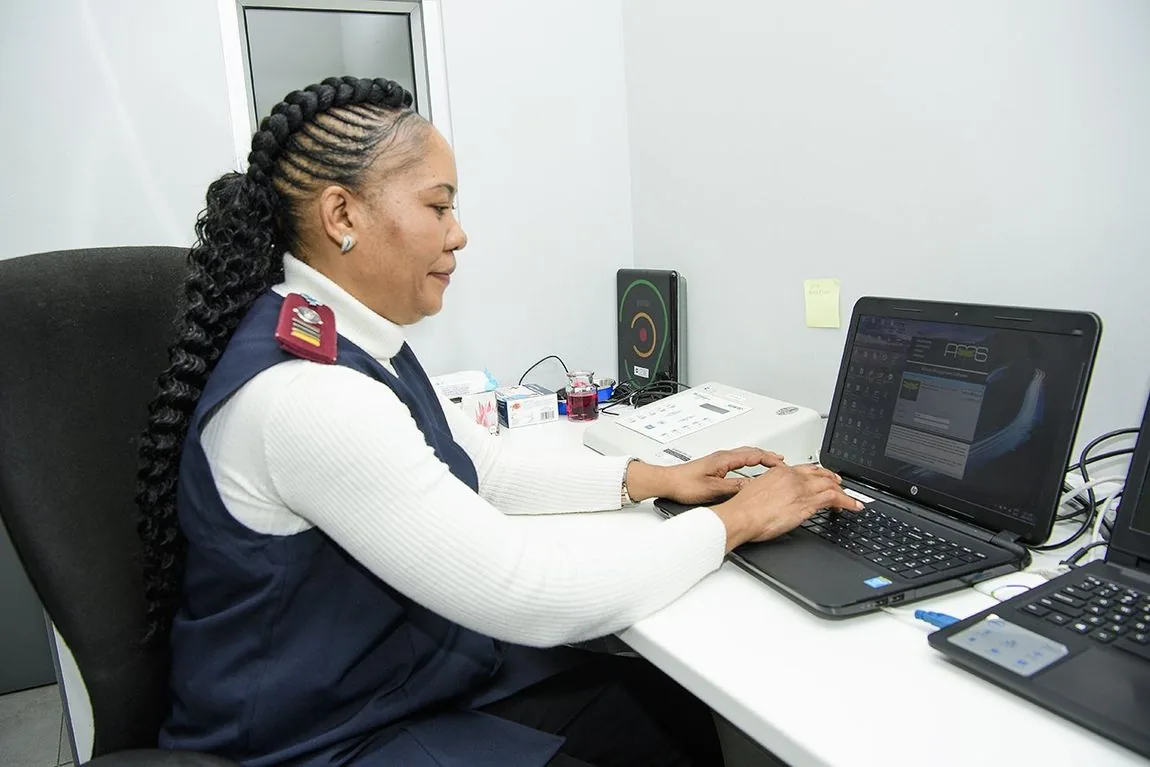
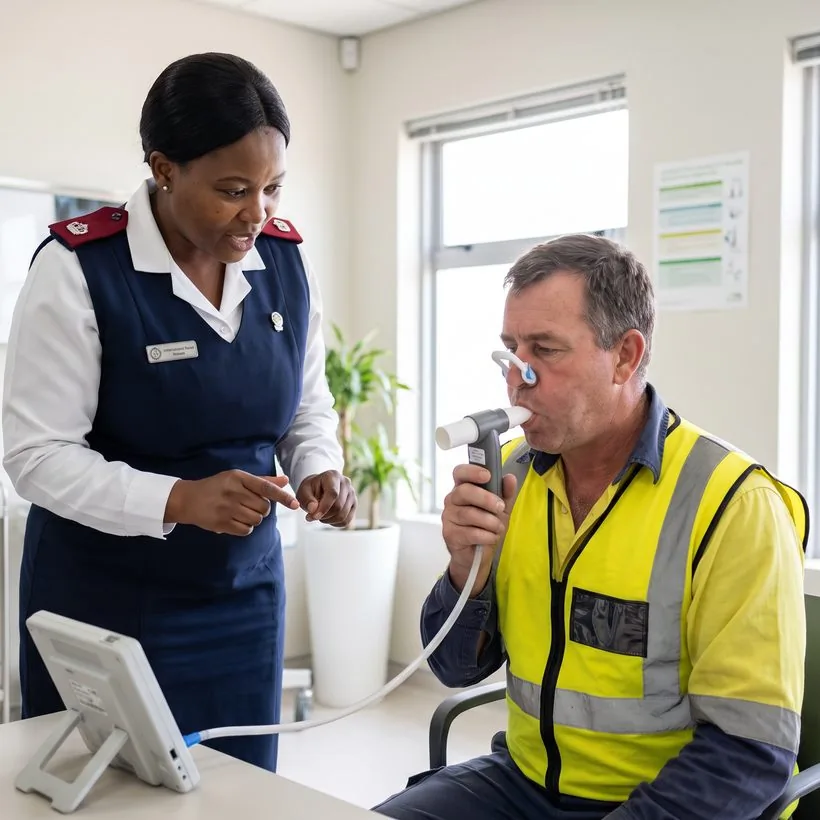
Clinical evidence, not assumption
What we manage
Four distinct workstreams that are usually handled by four different people, badly.
AOD: alcohol and other drugs
Testing and management within a defensible policy framework.
COID: injury on duty
Claims administered properly, from the first report through to finalisation.
IME: independent medical examination
An objective clinical opinion where capacity to work is in question.
Sick-leave management
Patterns identified and addressed with clinical evidence rather than assumption.
Why it belongs with the medicals
An incapacity case is easier to manage when the employee’s occupational health history is already on the record: their exposure profile, their baseline results, and the trend since. Case management run in isolation from medical surveillance starts every case from zero.
Where a case arises from noise exposure, dust or a chemical agent, the hygiene survey record is often the decisive evidence.
Related services
Medical surveillance
A standard occupational health medical, delivered by a qualified, trained and accredited Occupational Hea…
Related serviceOnsite clinics
An onsite primary healthcare clinic is the highest-leverage investment in workforce productivity…
Related serviceAudiometry & hearing
Noise-induced hearing loss is the most commonly compensated occupational disease in South Africa…
Tell us about your workforce.
Send us the shape of your operation: headcount, sites, sectors and what you have in place today. We will come back with what compliant, integrated occupational health would look like, and what it would cost.